How to Write Jurassic Park

Jurassic Park Poster

How to Write Jurassic Park

by L.A. Zvirbulis

1 – The Inspiration. Visit a real dinosaur theme park and write about your fun weekend. No, but wouldn’t that be awesome? One can only dream. Seriously though, just write novels for about twenty years and then write and direct a few films and turn this one screenplay you wrote about a college kid who clones a dinosaur into a novel without a college kid that then gets turned into a screenplay. Tell your buddy about your new dinosaur theme park book so he can call dibs on the directing rights.

2 – The Genre. Thriller. Action Adventure. You are stuck on an island with a bunch of cloned dinosaurs and people die, so kind of Horror? Blockbuster I think is the official genre.

3 – The Complications. What’s the worst that could happen? Your free vacation gets ruined when the dinosaurs in the dinosaur theme park get set free by a guy who is upset about his paycheck. You don’t want kids, and of course now you are stuck with kids while trapped on this dinosaur infested island. It’s raining a lot. And Ian Malcolm won’t shut up about his Chaos Theory.

4 – The Fun Stuff. Dinosaurs aren’t just scary, they are also majestic. The first ones we see are beautiful brachiosaurs, you know, those tall skinny necked things that move in herds. They are graceful and peaceful, similar to a giraffe in a zoo. You see birds at zoos, and dinosaurs are just basically large birds without feathers. This is the part that would totally make you want to visit a dinosaur theme park. Also, we get to drive around in Jeeps and Ford Explorers because they paid to be in this film.

5 – The Device. A Tyrannosaurus Rex. The baddest-ass dinosaur of all time because this is the first film and we don’t need to create hybrids yet. Remind the audience that she’s a female, because all of the dinosaurs on the island are genetically created to be female. Our lady T-Rex is the “Deus Ex Machina” of Jurassic Park, the “Hand of God” that magically saves our visitors at the end of the movie. The ancient Greeks used it all the time when they didn’t know how to end their plays – a giant hand just comes from above and lifts the villain from the stage. This is what the T-Rex that terrifyingly ravages a 1993 Ford Explorer at the midpoint does at the end – saves the day by eating the velociraptor attacking our main human characters while the banner “When Dinosaurs Ruled The Earth” gloriously falls behind her. 

6 – The Hammond. Mister Hammond could be considered the evil corporate villain in this story. He owns the park, pays scientists to clone dinosaurs, underpays his I.T. guy to run the security systems, uses a cane with a dead animal in it, and dresses generally in monochrome – all signs of a villain. No one would be surrounded by dangerous dinosaurs if it weren’t for Mr. Hammond’s little island and invitation to join him for free.

7 – The Jokes. Cast Jeff Goldblum as Ian Malcolm and we don’t really need jokes. Make sure his shirt rips open at some point. Not a joke. Oh we can make fun of lawyers here, so put the lawyer on a toilet and have him get eaten humorously. Keep his shorts on, though, he’s not “going number two”, he’s just avoiding the children he abandoned in the car. He deserves to die. 

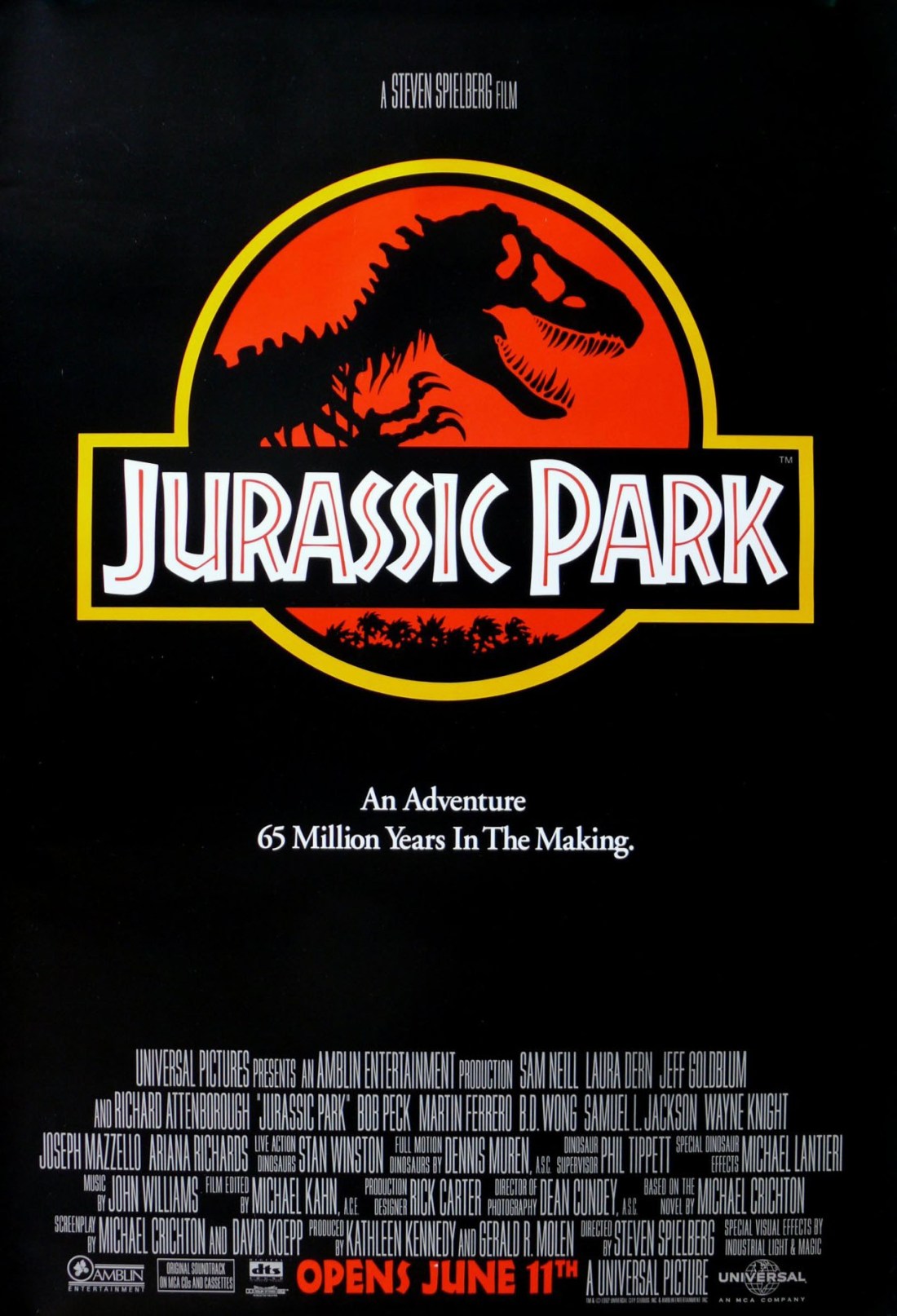
8 – The Title. Jurassic Park. It’s the name of the park. It also suggests that the park has dinosaurs, but it smarter than just “Dinosaur Park” or “Dinoland” or “Billy and the Cloneasaurus”. Jurassic Park has a seriousness to it, and our T-Rex skeleton looks so cute in the logo! It’s based off of the bones of the first T-Rex skeleton discovered by humans and designed by the same guy that did the Star Wars font and the Starfleet insignia for Star Trek. We spared no expense. 

9 – The Ending. Mr. Hammond dies in the book but survives in the movie. You finally want kids because that night you spent with them in a tree (not weird, I promise), which I guess you get to have your own kids with a blonde paleobotanist. Ian Malcolm proves his Chaos Theory and finally shuts up about it. The dinosaurs are left on the island to fend for themselves. And most importantly, we all look at birds differently now.

10 – The Heart. Life finds a way. It’s as if there’s a mass fantasy of living with dinosaurs, or at least getting to see them in real life. What is that? Anyway, it’s fun to watch, scary and exciting and inspiring. And I would still totally visit a dinosaur theme park, even knowing what could happen. 

*L.A. Zvirbulis did not write Jurassic Park. Michael Crichton and David Koepp wrote the screenplay based on the novel by Michael Crichton.
How to Write Back to the Future part 2

bttf2

How to Write Back to the Future part 2

by L.A. Zvirbulis

1 – The Inspiration. Make a movie so popular that the studio threatens to make a sequel. I mean they offer to make a sequel with you and your buddy, but if you say no, they’ll make it anyway because it is impossible for Hollywood to not make a sequel to a movie that grossed over $100 million domestic box office. You both say ye$.

2 – The Genre. Same as the first one. Sci-fi adventure buddy comedy, but with more time travel!  So much more time travel. And while both of you come up with the story, let’s have the one with the typewriter actually write out the screenplay while the other one directs a movie about framing rabbits.

3 – The Complications. What’s the worst that could happen? Well, you have to go to the future now because of that little joke you made at the end of part one. So start with that. Then get out of it because you don’t want people writing articles about how inaccurately your movie predicted the future when the real 2015 rolls around and everyone is angry that we don’t have hoverboards or flying cars. And to make things worse, we stupidly put Jennifer in the DeLorean. Ugh, girls. Find a way to knock Jennifer unconscious for most of the movie. Also change the actress to someone more comedic. Okay now we need to get back to the past so we can get Back to the Future. But which past? Marty’s conception at Woodstock, with Marty messing up his parents having sex? No, that’s just the same movie different details. Let’s get more creative with this.

4 – The Fun Stuff. There has never been a time in Hollywood that your characters get to go into their own movie, so let’s have the most fun going back into Back to the Future. The last half of the movie takes place conveniently on the night of the famous Hill Valley lightning storm we know and love so well from part one. Doc says that the day could be important to the space time continuum, or a coincidence, but either way, you’re the writer, so you get to write whatever you want as long as you admit to your chosen conveniences. Go back into your own movie. There are now two Martys at the Enchantment Under the Sea Dance and two Docs trying to get their Martys Back to their respective Futures. Paradox. We get to recreate scenes from the first film, but to save money only change one side of the street or something. Only build what the camera can see. Thank goodness Lea Thompson saved her dress. Okay let’s figure out how we get from the future to the past.

5 – The Device. Grays. Sports. Almanac. Every sports result from 1950-2000 in one little book. This book gives Biff the power to eventually become Donald Trump. Sorry to say that name, but he is the real inspiration for the terrible Alternate 1985 casino-owning Biff, even when writing this movie in the mid 1980s. The Almanac is our MacGuffin, as it drives the plot and then is destroyed at the end. Oh and how the DeLorean time travels needs to change – we travel a lot so simplify it with Mr. Fusion and whatnot. Seriously, we go from 1985 to 2015 to Alternate 1985 to 1955 to a trailer for part 3 in 1885. It’s a lot of time travel, so the machine works for most of the film. It won’t really break again until part three.

6 – The Marty. George McFly is the protagonist of part one, meaning his character goes through a change. We don’t particularly want to work with Crispin Glover again, though, so make George hang upside down in the future or cast someone else or both. We also need a protagonist, so give Marty something personal to deal with. Ah, he’s chicken. Yeah. His insecure machismo ruins his music career, so Marty has something to learn. There is no mention of Marty’s hatred of being called a chicken in part one. We’ve gotta add it in part two, so hide the first “nobody calls me chicken” in the familiar cafe before the hoverboard chase. The audience will be too distracted by the “I remember that! It’s the same but different!” to notice that you’ve added a previously nonexistent character flaw to Marty. Sneaky.

7 – The Jokes. Same but different. Everything in 2015 is a joke of the projected culture from the mid 1980s. Advertisements for tourism to “Surf Vietnam”,  weathermen that can predict the weather, Ronald Reagan as your tv waiter in Cafe 80s, flying cars, and the abolishment of lawyers. And then, more same but different – in Alternate 1985, we need a way for Marty to wake up with his mother again, but how? “The easy way.”, meaning we just knock him unconscious. There are actually fifteen separate instances of a character getting knocked unconscious in this film, so we really do use “the easy way” quite a bit. It’s fine, as long as we call it out. Make it a joke. Laughter distracts. And then, in good ole’ 1955, even more same but different. Same movie, more of the same characters, different perspectives. Pretty cool.

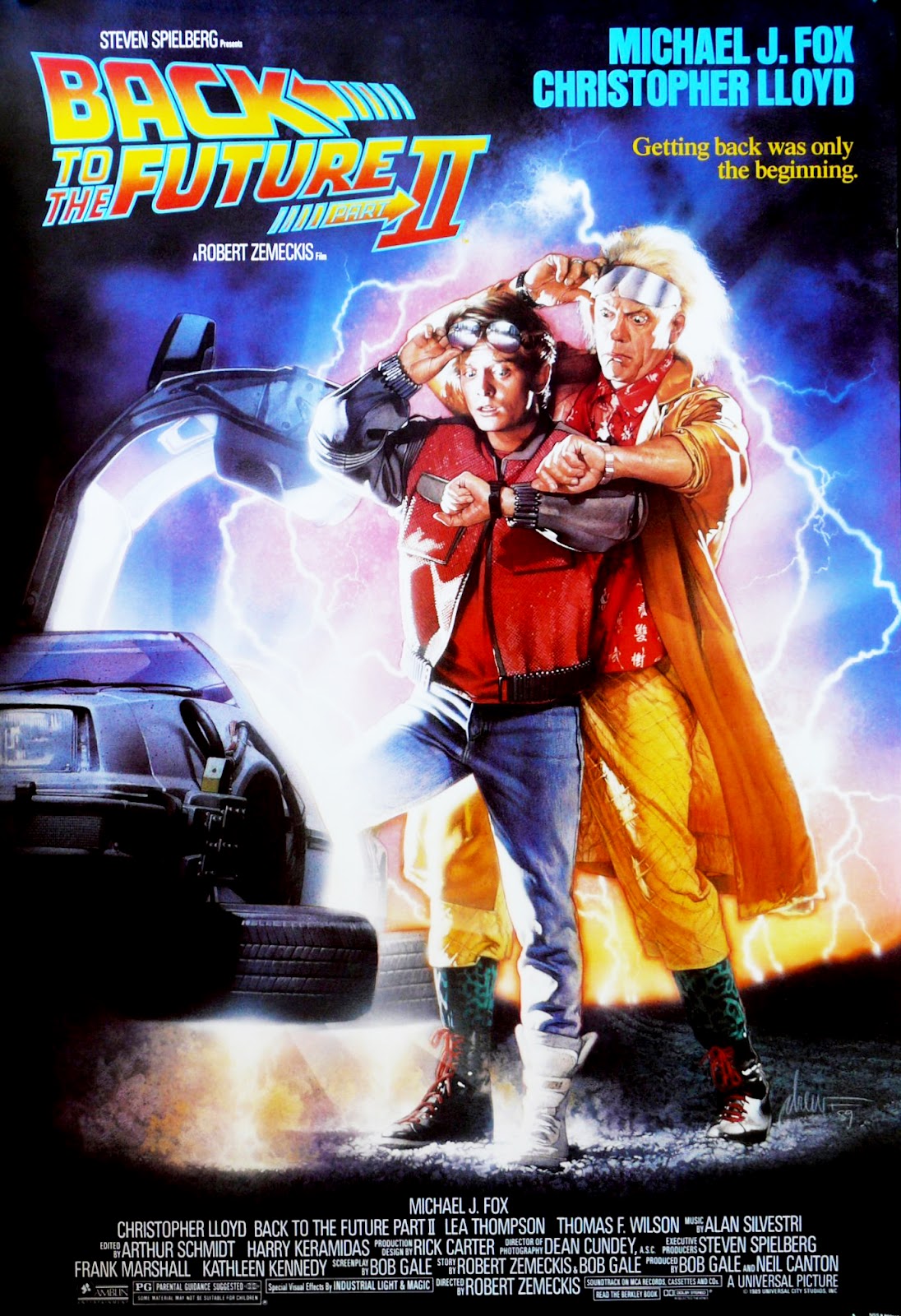
8 – The Title. Paradox. No, but that  is what we will use during filming so no one invades the set of Back to the Future part 2. Also add Doc to the poster, you know, because two people. Part two.

9 – The Ending. Part two is really just the set up for part three because we are successful movie nerds now and we want to make a Western and play with horses and trains and guns for three months. Foreshadow part three when Alternate Biff watches Clint Eastwood in A Fistful of Dollars, inspiring Marty to mimic Eastwood and defeat Buford in part three. It also lets the audience know that Marty knows that reference. Assume that no one in the audience knows your references, you movie nerd, so you must make all references self-contained within the movie, meaning it is set up before it is revealed. And now that we’ve set up the real ending in part three, let’s end part two with a lightning strike, but instead of Marty in the DeLorean, it’s Doc in the flying DeLorean – same but different, am I right? We can have fun with the Western Union guy and have 1955 Doc faint at the sight of another Marty after seeing him go Back to the Future. But really, the most important thing, as per the director’s request, is that there is a teaser for part three tagged on before the credits of part two. The audience needs to know that this story isn’t over. There is more. One more. But no more. Never any more. Trilogy forever.

10 – The Heart. Part two really builds the friendship between Doc and Marty, and the opening sequence inspires the first scene in the popular adult cartoon Rick and Morty. It also gives Marty a character flaw, and gives Doc something to hope for in discovering women. It gives two film school buddies the chance to make cinema history and go back into their own movie. Also, hoverboards.

*L.A. Zvirbulis did not write Back to the Future part 2. Bob Gale did from a story he and Robert Zemeckis developed.

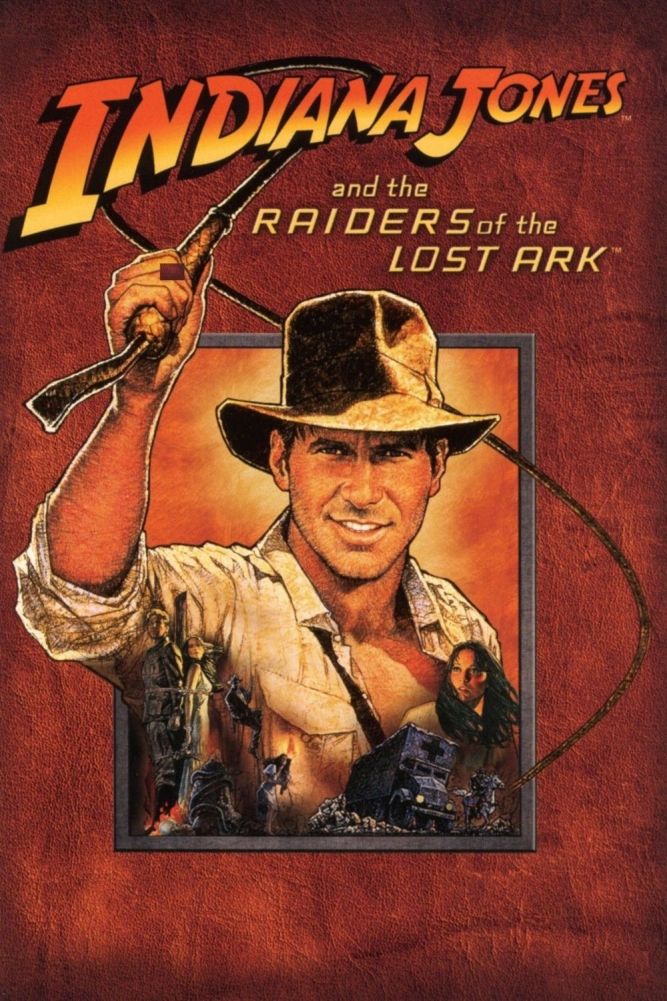
How to Write Any Indiana Jones Movie

indyposter

How to Write Any Indiana Jones Movie

by L.A. Zvirbulis

1 – The Inspiration. Make sandcastles on the beach while escaping the fans of your latest popular movie. Tell your buddy about this adventurer named after your dog that you thought of before you wrote Star Wars, and convince him to direct it and all the sequels. Easy enough.

2 – The Genre. Watch what is called a “B movie”. See more than one. What’s cool is that you can borrow a bunch of scenes from all those B movies you watched because the time you live in doesn’t have the internet**, so no one can reference what you’re taking from and they think you are original. “Homage” is a legally accepted term for stealing.

3 – The Complications. What’s the worst that could happen? Nazis. Trust me, put Nazis as the villains in your Indiana Jones movie or it won’t be good. Remember that the hero is only as good as the villain is bad.

4 – The Fun Stuff. This is where you put all of your favorite references. That boulder chase from a Scrooge McDuck comic. The hat and jacket from something Charlton Heston wore once. Let’s put something from Casablanca in – the original female love interest can be an alcoholic bar owner, just like Rick, and let’s make the scenes in her bar pay “homage” to that classic film. Also anytime Marion Ravenwood isn’t drinking, we can put a monkey on her back. It gets really fun if you just talk with your movie friends about all the fun stuff you want to put in and have an actual screenwriter write it.***

5 – The Device. This is the thing that the villains want. It is old. It might be referenced in a major religious text, it might just be a myth that you heard from your dentist as a kid. It doesn’t really matter what the actual object is, whether it is a “radio for speaking to God” or the cup that “brings eternal life”.  We all know that Indiana Jones just leads the villains to the object and they destroy themselves with it in some cinematically impressive way. Spoilers.

6 – The Adventurer. Ironically, you don’t actually need Indiana Jones to make a good Indiana Jones movie. You just need a good object that people understand and a bad villain that people don’t understand because they don’t speak American. Indiana Jones is just the go-between for the object and the villain. But since we need someone on the poster, and Tom Selleck won’t shave his mustache, let’s put our buddy Harrison Ford in. He’s scruffy looking. He could use more work, I’m sure.

7 – The Jokes. Of course it is funny, this is supposed to be a cheesy B movie. Let’s put comedy in the reactions character’s have to snakes, spiders, boulders, and using a gun in a sword fight.

8 – The Title. Indiana Jones and… a mystical object. Also you might have to change the name of the original “Raiders of the Lost Ark” to include Indiana Jones, but only after it goes to VHS. After that just stick to the Indiana Jones and….formula. It works. 

9 – The Ending. The villain destroys itself because it hasn’t earned the right to use found magical object. Indiana Jones survives because he knows how to respect the object. It’s best if you say something fun like “don’t look at it” to an audience that has to watch it in order to know what happens. Super fans close their eyes during that scene. Don’t look at the Ark or your face will melt. Challenge accepted. 

10 – The Heart. This rough and tumble version of James Bond is fun to watch. It might even contain some mystical knowledge left behind from aliens centuries ago that only the top minds get to encounter. What do we do with any Indiana Jones movie? Let’s not store them away in a box. Let’s go watch them again.

*L.A. Zvirbulis has not written any Indiana Jones movie. Not yet, at least.

Raiders of the Lost Ark – screenplay written by Lawrence Kasdan from a story by George Lucas and Philip Kaufman. Indiana Jones and the Temple of Doom – screenplay by Willard Huyck and Gloria Katz from a story by George Lucas. Indiana Jones and The Last Crusade – screenplay by Jeffrey Boam from a story by George Lucas and Menno Meyjes. Indiana Jones and The Kingdom of the Crystal Skull – screenplay by David Koepp from a story by George Lucas and Jeff Nathanson.

**Here’s a link to a side-by-side comparison of Raiders of the Lost Ark and other movies. https://www.youtube.com/watch?v=Ns8bG9AbfwM

***Here’s a link to the transcript of George, Steven, and Larry talking about story ideas for Raiders of the Lost Ark. http://maddogmovies.com/almost/scripts/raidersstoryconference1978.pdf

How to Write Jaws

jawsposter

How to Write Jaws

by L.A. Zvirbulis

1 – The Inspiration. Read a book called Jaws by Peter Benchley. Or at least kind of look at the plot synopsis if you get a chance. There are some dudes and a shark and it’s New England in the 1970s. It’s fine, we write most of the script on set anyway and we are sending copies of the book to major influencers who won’t read the book either but will help get it on the bestsellers list.

2 – The Genre. Chief Brody is already scared of the water. But do you know what is scarier than water? Sharks in the water. Oooooh. Wouldn’t it be fun to make rational humans terrified of the ocean? Let’s invest in hotel pools because people at beach front resorts won’t go in the water after watching this movie. Let’s also figure out why a guy who is scared of the water would get a job on a small island. It’s also kind of based on true stories. Scary stuff.

3 – The Complications. What’s the worst that could happen? A shark kills you and your family and everyone vacationing at a summer resort town and that cute dog Pippin. There’s also a Mayor that won’t close the beaches and won’t tell Alex Kintner’s mother there’s a hungry shark out there, because you know, profits.

4 – The Fun Stuff. Shark attacks. More shark attacks. Like, the most shark attacks ever. Just think of all the cool things you can do on screen because we are using a mechanical shark and not a real one. We really want to see a lot of this shark.

5 – The Device. Write more land-based scenes because our mechanical shark doesn’t work. What else could be a shark? Barrels. Yeah, use barrels to indicate that a shark is there. How about sound? Use music to indicate that a shark is there. But we don’t have a huge budget so maybe only two notes and a basic beat? Thanks. Let’s film in the editor’s pool so we can get one last scare – just of Hooper seeing a dead guy, not a shark. People are also scared of dead guys. Just don’t let anyone know we don’t have much footage of the shark. Oh the shark works now? Great! Oh wait it sunk to the bottom of the Atlantic? No one needs to know. What else could be a shark?

6 – The Hunter. Quint can be a villain. He’s old and probably smells like fish and can scare an entire room with his fingernails and a chalkboard. Yeah, Quint is the shark now. Also the Mayor sucks.

7 – The Jokes. Jokes? How about stories? Jokes are too short and we need to eat up more dry time. Let’s have Quint tell some scary story about sharks. That will work. Yeah. People go to shark movies to hear people tell stories about sharks. You don’t really have to write this part, that’s why we hire improvisers. We also kill improvisers on screen. Bye bye, Quint.

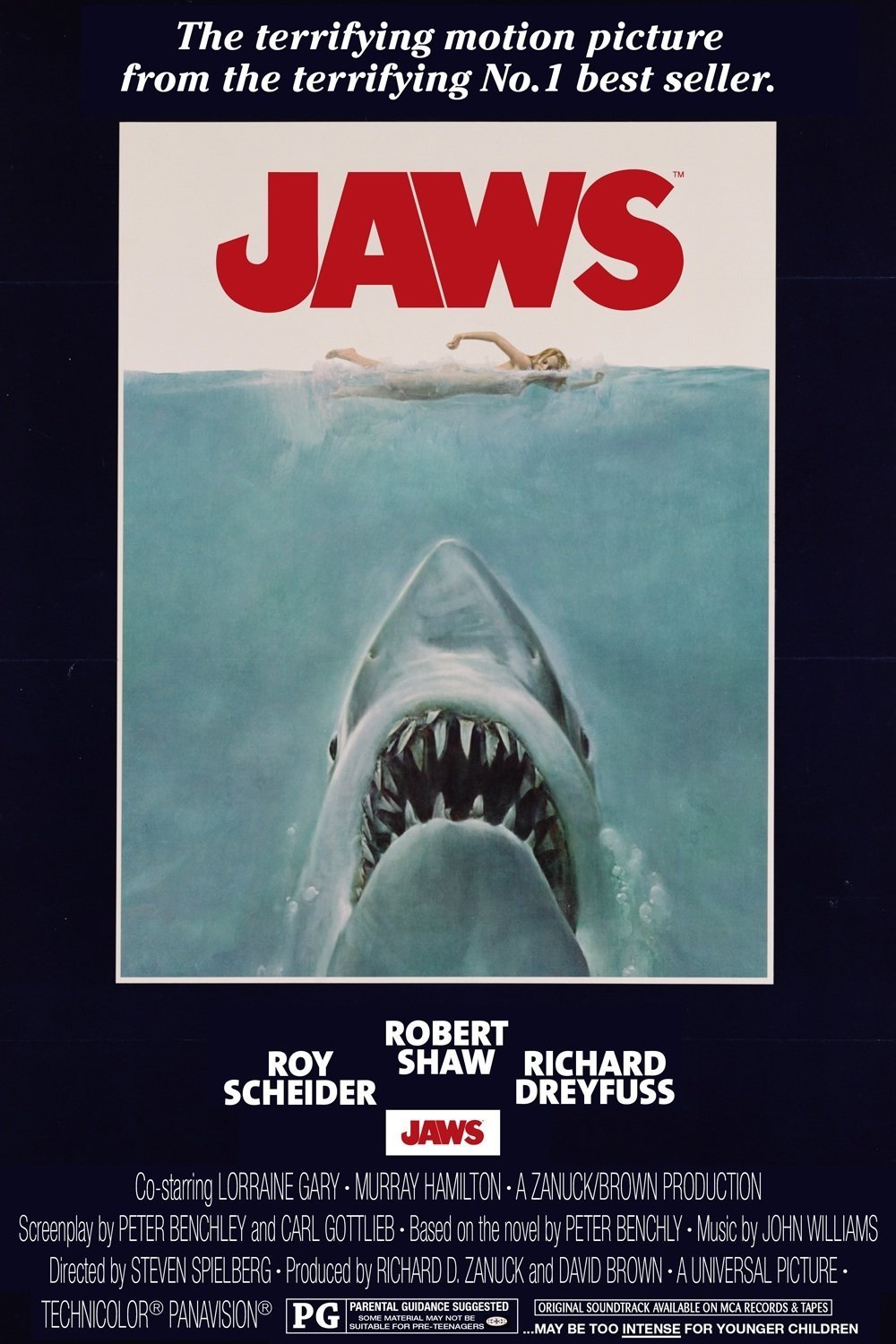
8 – The Title. It’s Jaws. We’re sticking with it. We’ve already got the poster.

9 – The Ending. Let Hooper live! Let Hooper live! Let Hooper live! (Hooper dies in the book). Also pretty sure that Chief Brody is still scared of the water after this. But hey, the shark dies in a glorious bloody explosion. Wait, where’s the director? Steven left the set? Is he scared of his crew or something? Hello?

10 – The Heart. Oh shit. This movie is fantastic and terrifying. Congratulations. No idea how you did it, but keep it up.

*L.A. Zvirbulis did not write Jaws. Peter Benchley wrote the novel and co-wrote the screenplay with Carl Gottlieb.

How to Write Back to the Future

bttfposter

How to Write Back to the Future

by L.A. Zvirbulis

1 – The Inspiration. Go home to visit your parents. Snoop through their old stuff. Find your Dad’s high school yearbook and ask fun questions like, “Would I be friends with my Dad if we were the same age at the same time?” Good question. Good movie idea. Thanks, Dad.

2 – The Genre. The easiest way for a teenager to meet his parents as teenagers is to go back in time. Voila! A time travel movie with some comedy and cool special effects and maybe some incest if we are lucky. Now what?

3 – The Complications. What’s the worst that could happen? If you meet your parents before they are your parents – well, you may accidentally prevent them from becoming your parents, thus endangering your own existence. Whoopsies. And just to clear something up, make sure that Marty never “has the hots” for his Mom. It’s his teenage Mom that has the hots for her son! Get it right, comedians. And I’d rather sit in a car with my yet to be born teenage son than that bully Biff any day. Also, please remember you can name villains in your movie after people you don’t like in real life.

4 – The Fun Stuff. Skateboarding and Rock & Roll, baby. Have Marty invent things that eventually become popular but maybe let’s not be too culturally inappropriate (sorry, Chuck Berry). Where do you put the two most fun scenes? The midpoint and just before the climax (the climax being Marty actually going “Back to the Future”). Then you have to show that Marty knows how to skateboard and play the guitar in the 1980s, so add a couple set-up scenes. Wow, we have four scenes already!

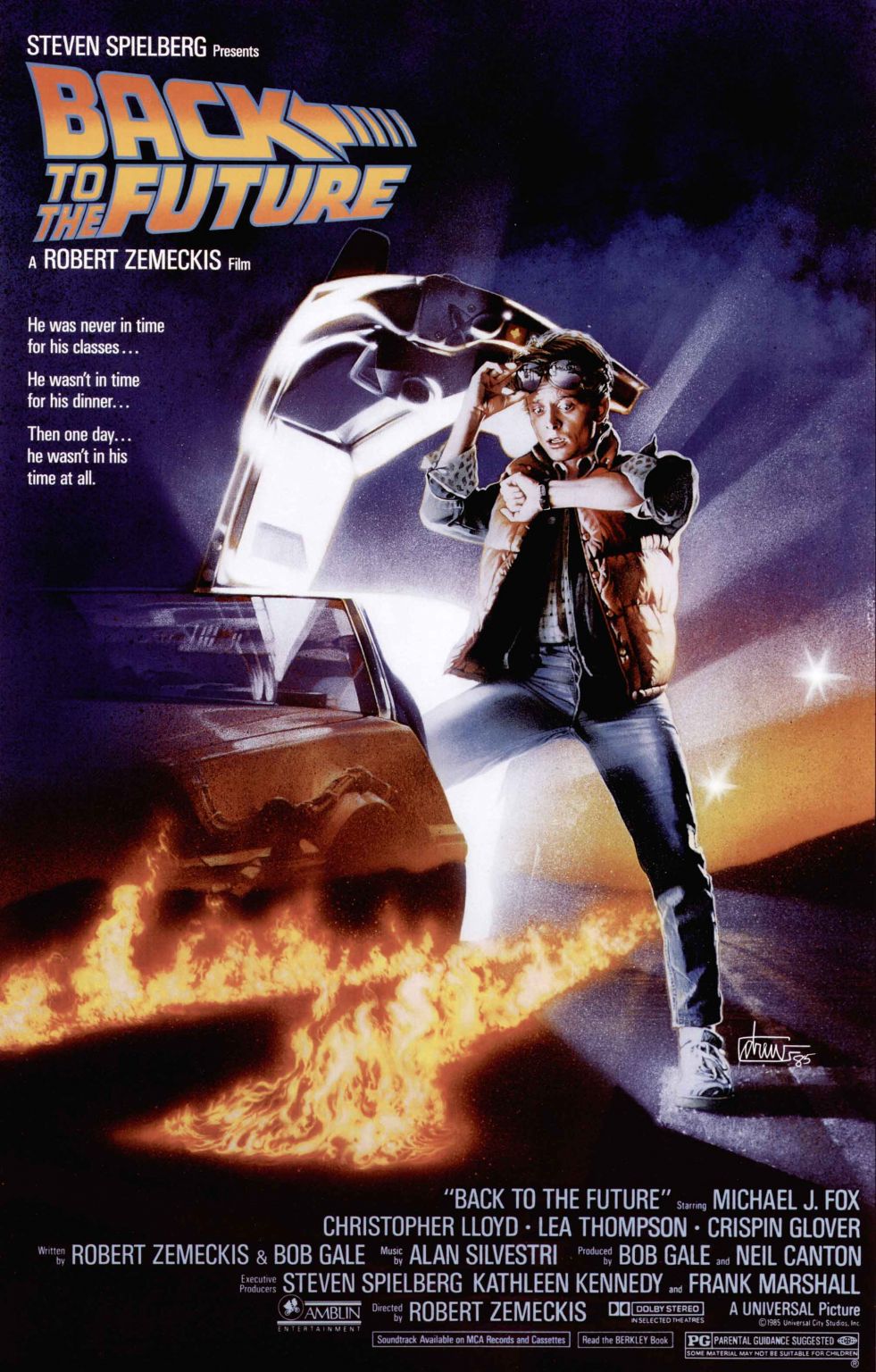
5 – The Device. A refrigerator. No. A car. A cool car. A DeLorean. Yeah. Super cool. You can make stuff up like “the flux capacitor is what makes time travel possible” because you’re the writer and don’t have to explain it beyond that. Also make up some rules, like plutonium, 1.21 jigawatts, and 88 miles per hour.  Make it leave flames in its tire tracks and fly at the end. Yeah.

6 – The Doc. Once we have Marty, his parents, and the time machine, now we need someone who can actually operate said time machine that is an adult in both time periods. Someone Marty can go to for help that isn’t family. Super convenient if the inventor of the time machine is also friends with modern Marty, and just so happens to have thought of the flux capacitor the day this strange Future Boy shows up in the past. That’s why Doc is so much older than Marty, people. It’s not weird. It’s efficient screenwriting.

7 – The Jokes. Even sci-fi period-piece family films need some comedy. Keep the jokes in the same “game”. For those of you who haven’t started Improv 201 yet, the game is the one weird, hopefully funny thing in a scene that gets played over and over again. In this case, it is generational differences. The future President used to be a B-List actor. Asking for a Pepsi Free is an insult when a tab wasn’t a Tab and the only drink without sugar was coffee. Saying “Daddy-O” is an easy way to cover up for accidentally calling your new teenage friend Dad. There are so many jokes in the “generational differences” game, so just keep ‘em coming, like reruns.

8 – The Title. You know exactly what happens from the title. Marty gets Back to the Future. It’s perfect and nobody cares that it gives away the ending. And while a studio exec might suggest the title “Spaceman From Pluto” by reminding us that Marty’s Dad is actually the protagonist who changed his life after being visited by an alien, stick to your wits. How can you go “Back” to the “Future”? Makes you think. Makes you spend money to go back to see the movie again.

9 – The Ending. Write what you will, but things will change when filming starts. The studio doesn’t care that you wrote the best ending of all time – a DeLorean driving into the mushroom cloud of an atomic bomb test site. It makes sense for the time period. It’s gonna look great on film. It’s going to be incredibly expensive. So when money must be saved, writers gotta change. Use some place you have for free, like the backlot of the studio that you’re already using. Perfect. Take an ending from a movie you wrote previously that no one really saw. Awesome. Put the inventor of time travel inside of a clock and then let a fortunately timed lightning strike be the hand of God that saves everything. Great.

10 – The Heart. Back to the Future is a movie about a teenager who learns how to like his parents. It answers the original inspiring question “Would I be friends with my Dad if we were the same age at the same time?” Yes. But only after fixing his life for him. Thanks, Dad, and you’re welcome.

*L.A. Zvirbulis did not write Back to the Future. Bob Gale and Robert Zemeckis did.