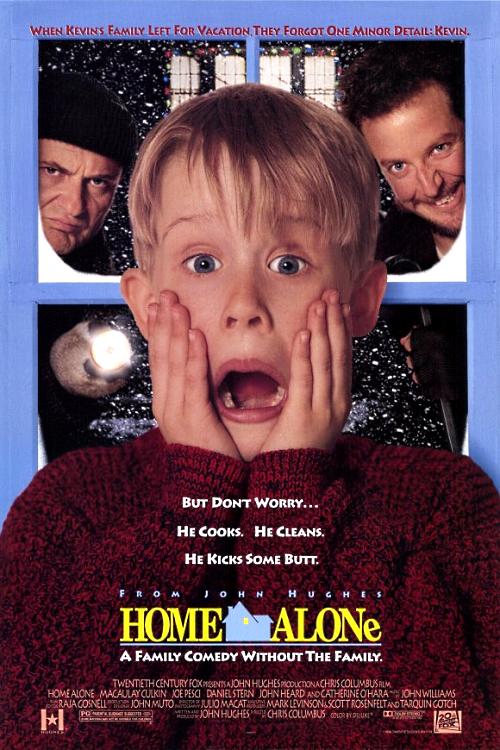
How to Write Home Alone

Home Alone Poster

How to Write Home Alone

by L.A. Zvirbulis

1 – The Inspiration. Plan a vacation with your spouse. List off all the things you need to pack, and realize how funny it would be if you forgot to pack one of your children. Hilarious. Write a movie about it because you’ve already written several other successful films and let some  guy named Chris Columbus direct it. Not the guy that initiated the destruction of the Native Americans, but the guy that wrote Gremlins, The Goonies, and goes on to direct Mrs. Doubtfire and two Harry Potter films. Very different Chris.

2 – The Genre. Family Holiday movie. Make sure every frame of the movie looks like a Christmas card. Place it in the same suburb that you use in all of your movies because it snows in Chicago and snow is necessary for a Christmas movie in the Northern Hemisphere. Christmas movies need to be cold and white and red and green.

3 – The Complications. What’s the worst that could happen? Your child is left home alone. By you. And if that doesn’t make you feel like a bad parent, your child befriends the town’s alleged murderer and then is attacked by burglars while they invade your house. Pretty much a parent’s worst nightmare. At least you didn’t leave the garage door open. Oh wait, you did. At least the last time you saw your son – Kevin? Yeah, that’s the one – he only likes cheese pizza – got at least one slice of cheese pizza on the last night you spent alone together, yes? No? Wow, parents. Just wow. Enjoy your flight to Paris. 

4 – The Fun Stuff.  A kid takes care of himself and and acts as your home security system while you vacation in Paris. Let Kevin really torture these silly burglars better than any silly alarm or security company could do. We can get violent, because of the cartoon-like innocence of actor Macauley Culkin and the over the top acting from the bad guys. We want Kevin to really beat up these terrible middle-aged men, so a blowtorch to the head, an iron on the face, and an ancient feather torture technique will play well with the audience. We giggle at the violence. These bad guys steal stuff on Christmas. That’s bad. But what’s good is that we can get John Williams to compose the score after he is enchanted by a rough cut of the film.

5 – The Old Man. Kevin isn’t completely alone because he meets the weird old man who supposedly murdered his own family! I mean the weird old man did figuratively murder his family by estranging himself from his son, but Kevin helps him with that. The old man also comes in handy when the bad guys get really bad and he comes to save the day with a shovel! It’s good to have old friends.

6 – The Burglars. We need bad guys who have a sense of humor. Well, they can carry the comedy necessary to handle all of the violence we put upon them. Do you think I’m funny? Yes, I do, Joe Pesci and Daniel Stern. Also, Joe, when you have the urge to use the “f” word, can you choose “fridge”? This isn’t Goodfellas, so you need to be a good fellow. And we pay Stern his asking rate because he’s the voice of Kevin on the hit tv show The Wonder Years and has a great agent. He’s also a talented actor who has better chemistry with Joe than that first actor we hired and had to replace with Daniel.

7 – The Jokes.  Thank goodness you got your first job as a joke writer for an ad agency, then lampooned jokes for a national magazine before writing several successful feature films. The audience liked your jokes then, and you prove yourself over the next twenty years of your comedy movie writing career, even under the pseudonym “Edmund Dantes” as a not-so-subtle Count of Monte Cristo reference when you write the Jennifer Lopez movie Maid in Manhattan but don’t want to be seen next to it. Busted, John Hughes! Now everyone knows. 

8 – The Title. Home Alone. It’s simple and to the point and the audience can drink their eggnog when the burglars realize that the kid is “Home Alone”, thus obeying the first rule of movie drinking games – drink when a character says the name of the movie. Make sure to provide non-alcoholic eggnog for the children in the audience.  This is a family drinking movie. Also, let’s make kids feel alone in their own homes, so make sure we never actually see Kevin’s room. Weird, right?

9 – The Ending. Kevin gets his family back on Christmas after defeating the bad guys. This is a family film, after all, so of course the kid survives. We need him for the sequel. We also need the bad guys for the sequel, so thank goodness no one dies in this violent yet family-friendly movie. Mom takes a road trip with a Polka band and John Candy, which is punishment enough, because, you know, polka sucks. At least John Candy is good friends with our mom actor Catherine O’Hara from their Canadian improv days, so we can let John Candy improvise these scenes. We only get him for 23 hours anyway, but it’s kind of a thing to put him in movies you’ve written lately. The rest of the family shows up three minutes later after waiting for that direct flight, kind of rubbing it in mom’s face for taking a rough road trip. The mom really gets punished for leaving her son home alone. The dad, not so much, even though he is the one that throws away Kevin’s airline ticket.

10 – The Heart. Family matters. Kevin learns that he actually loves his family and wants them around, no matter how insulting or annoying they are. Being Home Alone is far worse. But he did it. He survived unharmed and didn’t burn the house down. What a tough kid. You know what, I think we can take another family vacation next year.

*L.A. Zvirbulis did not write Home Alone. John Hughes did.
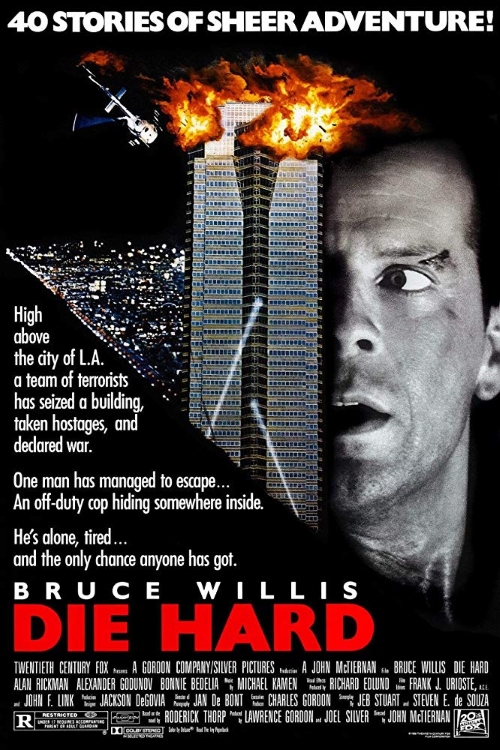
How to Write Die Hard

die hard

How to Write Die Hard

by L.A. Zvirbulis

1 – The Inspiration. Read a book called Nothing Lasts Forever that was written after the novelist had a dream after watching the movie Towering Inferno, which itself was based on two different books based on true stories about skyscrapers on fire. Nothing is original.

2 – The Genre. Action Thriller. There are terrorists and Bruce Willis and it’s 1988 so, duh. Wait, Bruce Willis, that funny guy from the tv show Moonlighting? Let’s try some proven action movie stars first, eh? How about Arnold Schwarzenegger? Oh, he wants to do comedy now as Danny DeVito’s twin brother. Fine. With no Arnold, and no chance of this being a loose Commando sequel even though we have the same writer, we can offer this super sexy action role to Richard Gere, Clint Eastwood, Burt Reynolds, Sylvester Stallone, Harrison Ford, Nick Nolte, and Mel Gibson. They all say no? Legally, we do have to offer this to Frank Sinatra because Die Hard is technically a sequel to a film he made twenty years ago but he’s old now and says no. Fine. Go with that guy from Moonlighting. What’s his name? Bruce Willis.

3 – The Complications. What’s the worst that could happen? Terrorists take your wife hostage the night you try to win her back. The terrorists don’t like you very much, because turns out, you happen to be their biggest complication. Also Bruce Willis chose his cop life over his wife’s fancy corporate career and didn’t follow her across the country because he needs to show her how good of a cop he is but now she goes by her maiden name 3,000 miles away, so, it’s complicated.

4 – The Fun Stuff.  Let’s put Bruce Willis through Hell. First of all, don’t give him shoes – make him barefoot for most of the movie. And let’s only give him an undershirt that starts as a white tank top and is so covered in sweat, blood, and fallout from all of the gunblasts and explosions that it is black by the end. Also remember that Dying Hard doesn’t just mean physical life, it can also mean not letting a relationship die. One could argue that the wife needs to see how hard Bruce Willis loves her – like making him walk over glass barefoot, falling out of buildings and then jumping back into them, and watching her get hit on by a creep. Oh and make sure to film the most dangerous stunt first, because if Bruce Willis gets hurt, it is cheaper to replace him as an actor at the beginning of filming than it is to re-film the entire movie if he gets hurt at the end and we don’t have all the footage we need. Good thing he didn’t get hurt that first day! Right, Bruce? We only have your best interest at heart.

5 – The Device. Terrorists! It’s the 1980s, after all, so terrorists are an easy villain, both for Hollywood screenwriters and the Reagan administration. The biggest terrorist is Hans Gruber, played by Alan Rickman in his first film role. We don’t want to get political on this movie, so give the terrorists some selfish financial reasons for the attack instead of political ones, making them just plain thieves instead of terrorists. Also not to get political, but one of the offices used for filming the movie becomes a real life office for post-Presidency Ronald Reagan.

6 – The Cops. Bruce Willis needs some friends on the ground, and his connection to the cop is what saves the day. Family Matters. That’s where we know that actor from, the hit show Family Matters, or really any of the other movies and tv shows that Reginald VelJohnson plays a cop – there are dozens. But the other cops on the scene aren’t the biggest fans of Bruce Willis, maybe from his singing career, so they don’t want him negotiating with the terrorists and would rather sacrifice their own officers.

7 – The Jokes.  Yippie kai-yay, joke writers, because Bruce Willis is now a sex symbol! Have fun with the lines because we need scenes that will be good memes twenty some years later when we need to promote the blu-ray when blu-rays are still a thing and we decide to reboot this franchise with Justin Long from those computer commercials. 

8 – The Title. Die Hard. While the book title “Nothing Lasts Forever” sounds like a James Bond movie, we need something simple that gets dudes pumped. Die. Sure, but how? Die HARD. Yeah. What about the female demographic, you ask? It’s the 1980s. The only women who go to movie theaters are on dates with men who pay to see action stars topless and sweaty.

9 – The Ending. Bruce Willis doesn’t die, so the title is kind of misleading. It’s like sure, I expected it to be difficult, but it does say Die Hard, not Almost Die Hard. Oh, you’re saying the other people die hard? But actually all of the people that die in this movie die pretty easily. It’s the people that stay alive that death hasn’t gotten yet that Die Hard. An alternate title of this movie could be “If you stick with me, you’ll stay alive”, which is what Bruce Willis says directly to his then unknown villain about sixty percent through the plotline. No one says Die Hard in this movie, which goes against the first and easiest rule of all cinematic drinking games – drink when someone in the movie says the name of the movie. Doesn’t happen in Die Hard. Drink when someone dies easily and you won’t remember it tomorrow.

10 – The Heart. Christmas! Wait, what? Santa kind of comes to save the day in the form of Bruce Willis, but it’s a great way to remind your friends that Die Hard is technically a Christmas movie and a romance that could be called “Bruce Willis Gets His Wife Back on Christmas While Other People Die Pretty Easily”. Yeah, at the heart, Die Hard is about a man who just wants his wife back for Christmas. And all I want for Christmas is for you to know that…

…*L.A. Zvirbulis did not write Die Hard. Jeb Stuart and Steven E. de Souza did based on the novel Nothing Lasts Forever by Roderick Thorp.

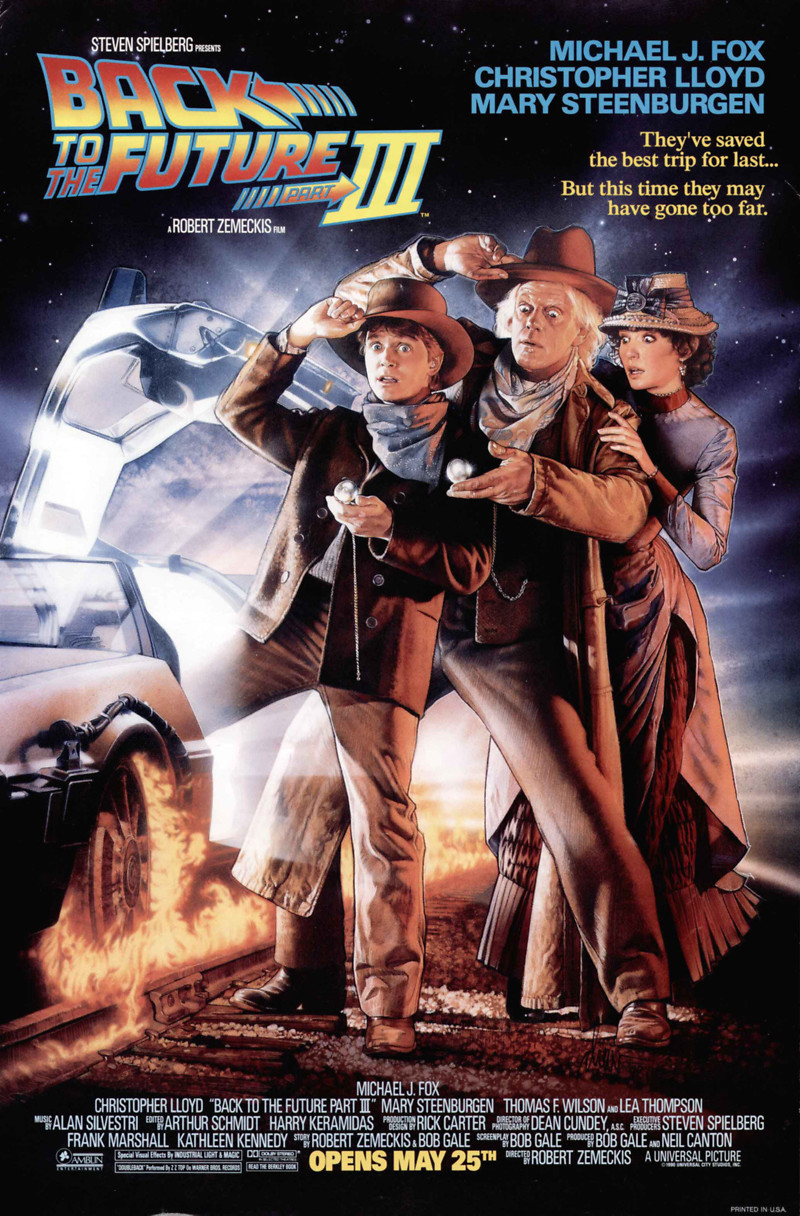
How to Write Back to the Future part 3

bttf3poster

How to Write Back to the Future part 3

by L.A. Zvirbulis

1 – The Inspiration. Write a sequel so long that you have to make two movies out of it. Call all three films a trilogy because it sounds more professional and less like you couldn’t edit yourself.

2 – The Genre. Different than the first two, actually. What? Yes! This is a Western, mostly, and even partially a Romance! Sure, we have time travel and DeLoreans and promotional agreements with Nike and we eventually do get Back to the Future, but first, Marty becomes a cowboy and finds out Doc can dance with the woman we add to the poster!

3 – The Complications. What’s the worst that could happen? Since this is the third of a trilogy, the worst that could happen is this movie being terrible. Thank goodness we are seasoned writers by this point and know what we are doing and this movie is great. In order for it to be great, it has to make sense with parts one and two but still have its own story. Same but different. What’s the 1885 version of the skateboarding scene – Buford “Mad Dog” Tannen drags Marty on a noose from horseback through town and hangs him in an attempt to kill him. This ain’t the 1950s anymore. At least we hang Marty in front of the newly built Courthouse, with the Clock nearby so we can show the audience the history of Hill Valley. Let’s just have Marty get saved by the sniper shot from Doc. Sweet. Also, the Back to the Future trilogy could be considered a “time-dash Harold” for all of you improv students out there. Same scene, same location, similar characters, different details from the time period. But this time, the time period is the rough and tumble Old West, so of course our 1885 villain almost instantly kills the 1985 teenager.

4 – The Fun Stuff. The Old West! What’s complicated is also what’s fun! Trains! Horses! Throwing explosives into a ravine to blow stuff up! Cool hats and ponchos and gun fights! But structurally, you get to play with reversing things from part one – Doc warns Marty about the future, they switch who says “This is heavy” and “Great Scott” by the end. Doc is the one that says “I’m from the future, I came here in a time machine that I invented.”, reversing the speech given to him by Marty in part one. You don’t have to write a new movie, just invert the lines from the first one!

5 – The Device. It’s the thing that makes time travel possible. This time it is a train. We’re going back to the “how are we going to get you Back to the Future?” question. It worked and we can answer it again without lightning. Oh, and the studio backlot does not look like the Old West, so we are building an entire Hill Valley 1885 up in Northern California near a train museum that will let us use their locomotive. Ironically, that set gets burnt down after being struck by lightning.

6 – The Clara. Doc gets a lady friend. Finally. School teacher Clara Clayton reveals a softer side of Doctor Emmett. Have Clara wear purple and like science and adore Jules Verne. Oh, and why Jules Verne, author of From the Earth to the Moon, and not H.G. Wells, the author of The Time Machine? Turns out timing. H.G. Wells won’t publish that book for another decade, also it’s a bit too “on the nose” for a time travel movie, and Jules Verne is a delightful reference.

7 – The Jokes. Just like the first two, same but different, but this time, 1885 is different and way more deadly than 1985. Confuse the cowboys with things like Nike, running, Frisbees, and 7-11 jokes. Let’s see if we can get now former President Ronald Reagan to play Mayor of Hill Valley 1885. Oh, he doesn’t remember that he used to be an actor? Sad. Let’s at least get ZZ Top to play at the dance, they’re writing a new song for part three and look like they belong in the Old West anyway.

8 – The Title. A Fistful of Dollars. No, but we make a lot more money that with Back to the Future part 3. That Clint Eastwood movie is just what we pay homage to in the shootout before we send Marty Back to the Future. Part three is where we get to steal all the great scenes and shots from classic Westerns because no one watches Westerns in the late 1980s but can kind of get the references from those old Eastwood movies. Oh and remember to add a third person to the poster, because Back to the Future part 3. Three people.

9 – The Ending. We’ve got to end the Western homage, then we’ve got to save Clara and Doc’s relationship, then we have to get Marty Back to the Future, then we’ve got to destroy the DeLorean, then we’ve got to deal with Marty’s insecurities about being called a chicken, then we have Marty open up emotionally to Jennifer by showing her the destroyed time machine, then boom, another time machine with Doc and his new family. Lots of endings here. But when we are done with all of the endings, make sure people know that this is the end of all Back to the Future movies by putting “The End” after Doc’s train time machine takes off into the screen, as if a tribute to one of the first moving pictures “A Train Leaves the Station” by the Lumiere Brothers. But really, this is The End.

10 – The Heart. “The Future is what you make it, so make it a good one.” Doc gives Marty some good advice. He was the first one that told Marty “If you put your mind to it, you can accomplish anything.” in part one. While part one is about learning to love your parents, the entire trilogy is about a friendship that stands the test of time.

*L.A. Zvirbulis did not write Back to the Future part 3. Bob Gale did from a story he and Robert Zemeckis developed.

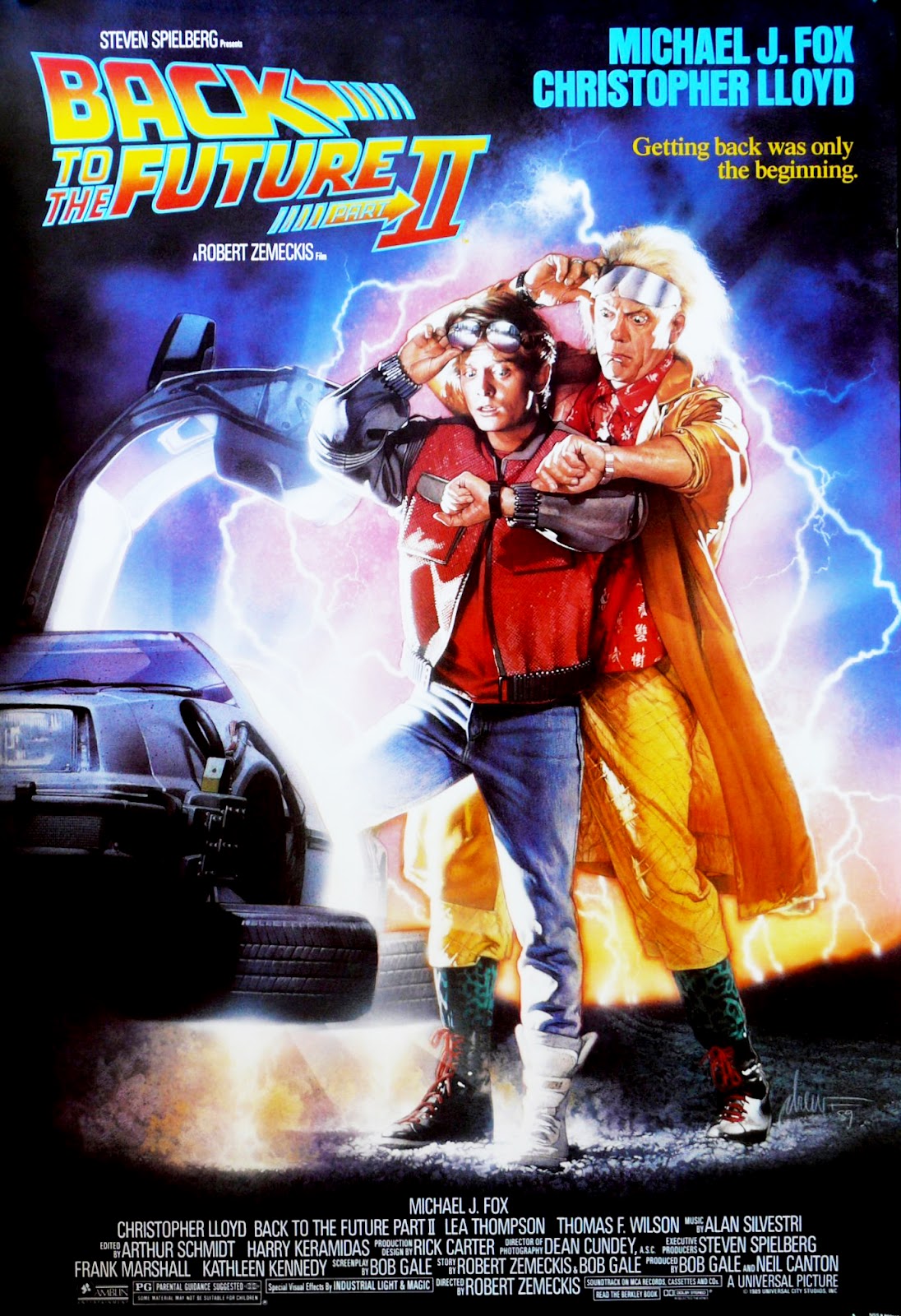
How to Write Back to the Future part 2

bttf2

How to Write Back to the Future part 2

by L.A. Zvirbulis

1 – The Inspiration. Make a movie so popular that the studio threatens to make a sequel. I mean they offer to make a sequel with you and your buddy, but if you say no, they’ll make it anyway because it is impossible for Hollywood to not make a sequel to a movie that grossed over $100 million domestic box office. You both say ye$.

2 – The Genre. Same as the first one. Sci-fi adventure buddy comedy, but with more time travel!  So much more time travel. And while both of you come up with the story, let’s have the one with the typewriter actually write out the screenplay while the other one directs a movie about framing rabbits.

3 – The Complications. What’s the worst that could happen? Well, you have to go to the future now because of that little joke you made at the end of part one. So start with that. Then get out of it because you don’t want people writing articles about how inaccurately your movie predicted the future when the real 2015 rolls around and everyone is angry that we don’t have hoverboards or flying cars. And to make things worse, we stupidly put Jennifer in the DeLorean. Ugh, girls. Find a way to knock Jennifer unconscious for most of the movie. Also change the actress to someone more comedic. Okay now we need to get back to the past so we can get Back to the Future. But which past? Marty’s conception at Woodstock, with Marty messing up his parents having sex? No, that’s just the same movie different details. Let’s get more creative with this.

4 – The Fun Stuff. There has never been a time in Hollywood that your characters get to go into their own movie, so let’s have the most fun going back into Back to the Future. The last half of the movie takes place conveniently on the night of the famous Hill Valley lightning storm we know and love so well from part one. Doc says that the day could be important to the space time continuum, or a coincidence, but either way, you’re the writer, so you get to write whatever you want as long as you admit to your chosen conveniences. Go back into your own movie. There are now two Martys at the Enchantment Under the Sea Dance and two Docs trying to get their Martys Back to their respective Futures. Paradox. We get to recreate scenes from the first film, but to save money only change one side of the street or something. Only build what the camera can see. Thank goodness Lea Thompson saved her dress. Okay let’s figure out how we get from the future to the past.

5 – The Device. Grays. Sports. Almanac. Every sports result from 1950-2000 in one little book. This book gives Biff the power to eventually become Donald Trump. Sorry to say that name, but he is the real inspiration for the terrible Alternate 1985 casino-owning Biff, even when writing this movie in the mid 1980s. The Almanac is our MacGuffin, as it drives the plot and then is destroyed at the end. Oh and how the DeLorean time travels needs to change – we travel a lot so simplify it with Mr. Fusion and whatnot. Seriously, we go from 1985 to 2015 to Alternate 1985 to 1955 to a trailer for part 3 in 1885. It’s a lot of time travel, so the machine works for most of the film. It won’t really break again until part three.

6 – The Marty. George McFly is the protagonist of part one, meaning his character goes through a change. We don’t particularly want to work with Crispin Glover again, though, so make George hang upside down in the future or cast someone else or both. We also need a protagonist, so give Marty something personal to deal with. Ah, he’s chicken. Yeah. His insecure machismo ruins his music career, so Marty has something to learn. There is no mention of Marty’s hatred of being called a chicken in part one. We’ve gotta add it in part two, so hide the first “nobody calls me chicken” in the familiar cafe before the hoverboard chase. The audience will be too distracted by the “I remember that! It’s the same but different!” to notice that you’ve added a previously nonexistent character flaw to Marty. Sneaky.

7 – The Jokes. Same but different. Everything in 2015 is a joke of the projected culture from the mid 1980s. Advertisements for tourism to “Surf Vietnam”,  weathermen that can predict the weather, Ronald Reagan as your tv waiter in Cafe 80s, flying cars, and the abolishment of lawyers. And then, more same but different – in Alternate 1985, we need a way for Marty to wake up with his mother again, but how? “The easy way.”, meaning we just knock him unconscious. There are actually fifteen separate instances of a character getting knocked unconscious in this film, so we really do use “the easy way” quite a bit. It’s fine, as long as we call it out. Make it a joke. Laughter distracts. And then, in good ole’ 1955, even more same but different. Same movie, more of the same characters, different perspectives. Pretty cool.

8 – The Title. Paradox. No, but that  is what we will use during filming so no one invades the set of Back to the Future part 2. Also add Doc to the poster, you know, because two people. Part two.

9 – The Ending. Part two is really just the set up for part three because we are successful movie nerds now and we want to make a Western and play with horses and trains and guns for three months. Foreshadow part three when Alternate Biff watches Clint Eastwood in A Fistful of Dollars, inspiring Marty to mimic Eastwood and defeat Buford in part three. It also lets the audience know that Marty knows that reference. Assume that no one in the audience knows your references, you movie nerd, so you must make all references self-contained within the movie, meaning it is set up before it is revealed. And now that we’ve set up the real ending in part three, let’s end part two with a lightning strike, but instead of Marty in the DeLorean, it’s Doc in the flying DeLorean – same but different, am I right? We can have fun with the Western Union guy and have 1955 Doc faint at the sight of another Marty after seeing him go Back to the Future. But really, the most important thing, as per the director’s request, is that there is a teaser for part three tagged on before the credits of part two. The audience needs to know that this story isn’t over. There is more. One more. But no more. Never any more. Trilogy forever.

10 – The Heart. Part two really builds the friendship between Doc and Marty, and the opening sequence inspires the first scene in the popular adult cartoon Rick and Morty. It also gives Marty a character flaw, and gives Doc something to hope for in discovering women. It gives two film school buddies the chance to make cinema history and go back into their own movie. Also, hoverboards.

*L.A. Zvirbulis did not write Back to the Future part 2. Bob Gale did from a story he and Robert Zemeckis developed.

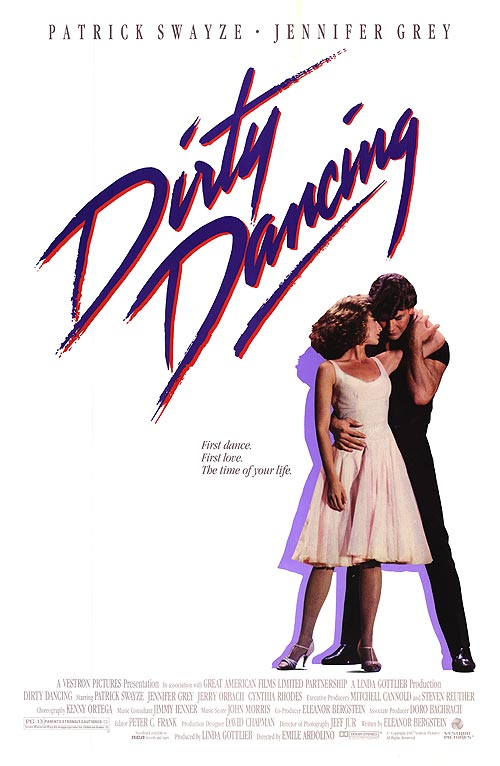
How to Write Dirty Dancing

dirty dancing

How to Write Dirty Dancing

by L.A. Zvirbulis

1 – The Inspiration. Write a movie for Michael Douglas that has a sexy dance sequence cut out by producers. Decide to write a movie that has mostly sexy dance sequences. But how? Think “Hey, my life would make a great movie”, specifically the part when you visited a vacation resort with your family in the 1960s. Just add the fantasy of a sexy dance instructor. Name the main character after the same nickname you had in real life, Baby.

2 – The Genre. Sexy dance movie. Musical romance with some period drama. Or I guess lack of period drama, because of dancer Penny being pregnant and all. Also coming of age story.

3 – The Complications. What’s the worst that could happen? No one can sexy dance when sexy dancing was expected. Also Penny wants an abortion, and Baby lies to her father for the first time. This whole story is about a father accepting his daughter growing up, so anything that could go wrong in that vein. Like the silent treatment, suddenly liking your sister more, and leaving family camp early.

4 – The Fun Stuff. Dirty Dancing. Kenny Ortega choreographs classic numbers in this movie, most famously the “lift” successfully accomplished at the end of the film. Baby learns how to dance from the sexiest of dance instructors Patrick Swayze. Also there’s sex implied.

5 – The Device. The music. In order to pitch this around, have the producer send mix tapes of the proposed soundtrack, a combination of music from the 1960s and the current 1980s. The soundtrack is classic and this pitch cassette tape will become a collector’s item. Dirty Dancing is a period film that uses both period music and modern music, and while it’s not the first to do so, it does it very well. I’m sure the rights to the music aren’t cheap, but they’re worth it.

6 – The Doctor. Baby’s relationship with her father is the real spine of this story. This Jewish Physician loves his sweet innocent daughter at the beginning, only to think she’s been corrupted by the black leather wearing Patrick Swayze. The Doc also thinks Patrick Swayze is the reason Penny needs to be fixed from a botched abortion, and changes what he thinks about Baby. In the end, when he sees Baby dance, he accepts how good Patrick Swayze is for all of our emotional growths.

7 – The Jokes. This movie is charming. It’s romantic. It’s heartwarming. “Nobody puts Baby in a corner.”, “spaghetti arms!”, and “I carried a watermelon.” are classic lines.

8 – The Title. Dirty Dancing. It gets to the point. Make sure you put the sexy dances in the opening credits and the audience will be on board from the beginning. Alliteration also adds.

9 – The Ending. Baby grows up. Family camp ends. Doctor accepts Baby as a grown woman. Patrick Swayze has more confidence in himself, but probably doesn’t ever see Baby again. Maybe a letter or two but nothing serious. Probably a meet up at a dive bar in NYC ten years later but only for one fun night. That should be the real sequel, not Havana Nights.

10 – The Heart. Baby grows up to great music with Patrick Swayze. What more could you ask for? 

*L.A. Zvirbulis did not write Dirty Dancing. Eleanor Bergstein did.

How to Write Titanic

titanic

How to Write Titanic

by L.A. Zvirbulis

1 – The Inspiration. Pick a well publicized international disaster. Does not matter if multiple movies have already been made about the disaster. It just has to be a famous disaster. Become obsessed with it to a point that the only way you can fund your love of visiting the tragic site is to make a studio-financed movie about it.

2 – The Genre. Historic drama tragedy romance with a modern twist? Pretty much Romeo and Juliet, but on a real boat in 1912 for a 1997 movie audience.

3 – The Complications. What’s the worst that could happen? The disaster you picked. In this case, the boat sinks after hitting an iceberg in the North Atlantic Ocean. People die. Lots of people die. Like, rich and famous people die, as well as lots of poor people and workers trapped in the lower decks, and even some middle-class types. Also, modern-day people actually get hurt during the filming of some of the dangerous stunt scenes, but that won’t stop this sinking ship from winning a history-making eleven Oscars at the Academy Awards and won’t even stop James Cameron from quoting himself when accepting those Oscars. If you really feel like the King of the World, I guess you need to shout it to an ocean of people forced to watch you give a speech.  

4 – The Fun Stuff. Leonardo DiCaprio falls in love with Kate Winslet and then dies and falls to the bottom of the ocean after she lets him go. Like we said, this is Romeo and Juliet on a boat, so at least one of the young lovers needs to die. In this case it’s not warring families, it’s separated class systems. A rich girl and a grunt, Director Jim’s favorite thing to write about. There is a rival fiancé and a pushy parent, and an excuse to have our sexy couple do sexy stuff all over this big sexy boat. Oh I guess the sexy stuff is the fun stuff. Leo is dreamy and Kate shows her boobs.

5 – The Device. The thing that the disaster takes place on/with. In this case, the boat, Titanic. It was famous then, it was still famous when James Cameron became obsessed with it to actually visit it in real life. The entire contrived Romeo and Juliet thing is just to get teenage girls to cry and to get people interested in what is actually a history lesson of what happened on the maiden voyage of the RMS Titanic. Director Jim knew that in order to get people to care about the boat sinking, the audience had to care about the people on board the boat. It’s as if the Titanic IS Leonardo DiCaprio, sinking to the bottom of the ocean, our Boat/Romeo forever enriching the lives of those who survived. Romantic, ain’t it?

6 – The Diamond.  The Heart of the Ocean drives the plot of the modern day story. Old Rose is flown out to meet the surveyors of the Titanic sight to hopefully gain insight on the location of this valuable jeweled necklace after they find a drawing of her wearing it, boobies out. It is the MacGuffin, the thing one of the characters seeks for most of the plot, only to be tossed into the ocean in the end. Not the boobies, the necklace. But both are tied to the villain, Rose’s fiancé Billy Zane, who gives the necklace to her on the ship, probably after feeling her boobies. Why a blue diamond? James Cameron loves the color blue is all. But it also represents the ocean. Heart of the Ocean. Blue. Obviously. 

7 – The Jokes. Not so much one-off jokes as it is in the charm of the lead actors, even during the attempted suicide scene when they first meet at the butt of the ship. The comedy is in the embarrassment of spittle upon DiCaprio’s chin, or the prideful pain in Winslet’s bare ballet tippy toes on a beer-covered third class floor, or in sly comments about how Americans don’t have fleas and the third class has hardly any rats. It is 1912, after all. There are only so many jokes that existed back then and it’s important to be historically accurate. You can put a theme of playing cards throughout as a fun add-on. Have Leo win his ticket in a game of cards, give the main characters the colorful card names of Jack (black) and Rose (red). Make the mom remind Rose of how their good name is the only card they have left to play. Playing cards. Those existed in 1912.

8 – The Title. Titanic. It’s the name of the boat. Or the most famous thing about the disaster. Unless it is “too soon” and the disaster was too tragic, then name it something else, like A Night to Remember or The Unsinkable Molly Brown. Or Futility. Wait, that’s the name of the novel about an unsinkable ship that hits an iceberg mid-April called the Titan by author Morgan Robertson released fourteen years before the sinking of the real ship Titanic. Yes, before. True story. Too complicated to include in our movie, though, so just let people find that on the internet on their own. Stick to Romeo and Juliet on a boat and what really happened in 1912 and the simplest title that doesn’t disturb people. Also predict the size of profits you want to make with this film. Titanic.

9 – The Ending. The boat sinks. We knew that. We also knew that Romeo and Juliet died at the end of the story when Shakespeare tells us about it in the opening monologue of his play. It’s not about what happens, it’s about how it happens. The movie Titanic, at three hours and fifteen minutes, especially when seen on the big screen, makes you feel like you are actually on the Titanic during its real life two hour and forty minute sinking. That’s what makes teenage girls like me go see Titanic in theaters five times in three weeks. That, and Leonardo DiCaprio. That’s over sixteen paid hours of watching a boat sink. It felt real. I cried a lot.

10 – The Heart. (will go on). Romeo and Juliet, remember? A love story for the ages, but modernized with today’s hottest actors. Also, James Cameron just tricked you into sitting in a three hour history lesson. You could totally ace a test on the Titanic after watching the movie. I mean, nothing about Jack and Rose or their supporting characters is true, nor is anything that takes place in Bill Paxton’s time, but everything else is historically accurate. Director Jim studied every nook, cranny, photograph, blueprint, artifact, and human story that entered that ship, and paid tribute to it in his film, dropping fictional star-crossed lovers into the historically-accurate background. Oh yeah and there’s a great song written by James Horner for Celine Dion at the end. My Heart Will Go On. As will my love for the movie Titanic. Just looking at the poster makes me want to see it again. 

*L.A. Zvirbulis did not write Titanic. James Cameron did.

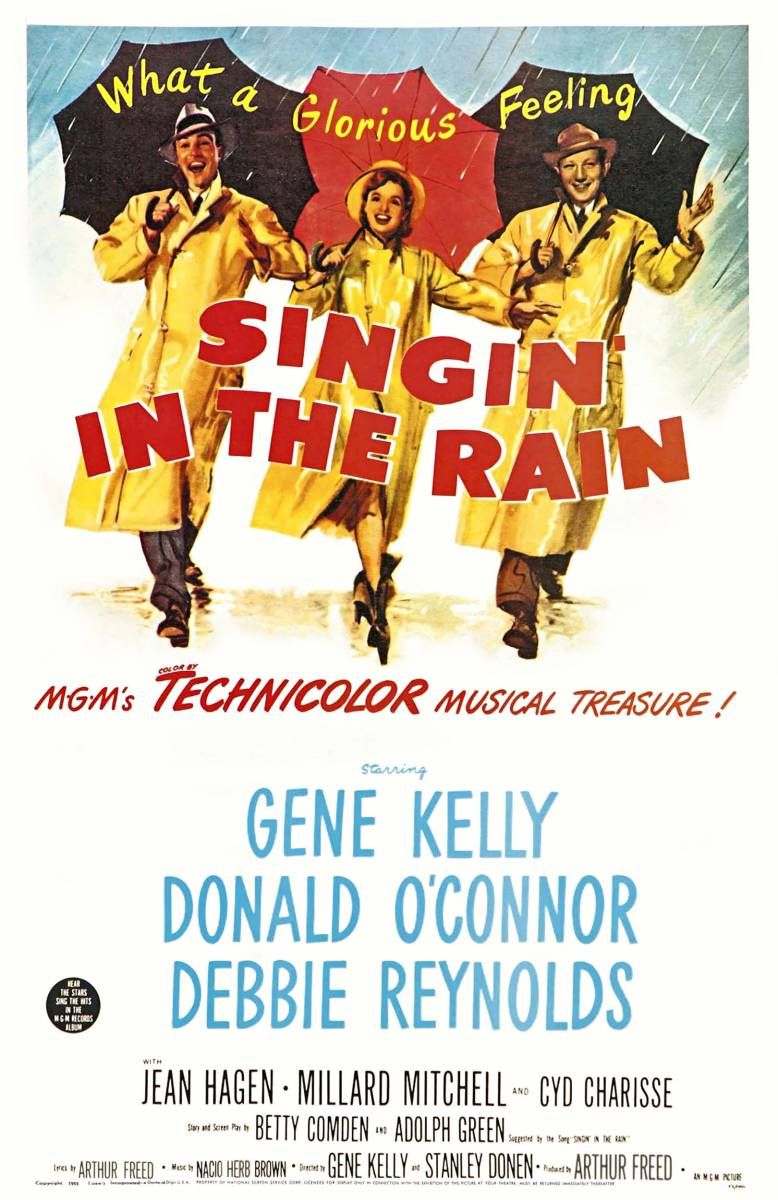
How to Write Singin’ in the Rain

singinrain

How to Write Singin’ In The Rain

by L.A. Zvirbulis

1 – The Inspiration. Be a songwriter at a major studio looking for a way to make your old songs popular again. Put random old songs from multiple other popular movies into one movie. Turns out, nostalgia will always be popular.

2 – The Genre. Musical, obviously. But because those songs you wrote about twenty years ago are kind of old now, let’s make this a period piece about the transition from the silent era to the musical era. Hollywood loves movies about Hollywood.

3 – The Complications. What’s the worst that could happen? Nobody sees (or hears) your movie! The public figures out that your beautiful face doesn’t match your silly voice! The leading man might not get to date the musical ingenue! Worst of all, it is raining while you are singing! 

4 – The Fun Stuff. This is about the transition from silent films to sound films. Some people make it, some people don’t. Cast Jean Hagen as the silent star and then use all of her talents in accents. Seriously, Jean Hagen is the unsung hero in this movie, and she gets nominated for Best Supporting Actress at the Academy Awards for her role as shrill-voiced Lina Lamont.

5 – The Device. Singin’. And dancin’. And rain’. The songs exist before the script does, so we have to write the story to suit the song and dance numbers. We don’t know that we can get Gene Kelly when we write this, but it takes about as long to write this as it does for Gene to film An American in Paris so the timing works out for more singin’ and dancin’ work. You won’t have to fight over your differing ideas of opening the movie at a movie premiere, a radio show, or a montage of “how you made it in Hollywood” because you figure you you can do all three!

6 – The Audience. Have you heard the term “meta”? Meta is a thing that recognizes itself.  This is a story about Hollywood made in Hollywood. This is just as much about the audience of watching movies as it is the movie. Debbie Reynolds is the unknown aspiring actress who befriends an actor and gets on the same billboard. Isn’t that the dream?

7 – The Jokes. Tell me, studio head, now that we’re making talkies, do we need jokes? No, no, no! Yes, yes, yes! No! No! No! Yes! Yes! Yes! Play with how cinema is recorded, with microphone mishaps and old Hollywood soundstage visual gags. Give Jean Hagen a raise. Yes to jokes.

8 – The Title. Pick one of those songs that you wrote. “Make Em Laugh”, maybe? Or “Fit as a Fiddle (And Ready for Love)”? Or “Singin’ in the Rain”! Yes. Make sure Gene Kelly actually sings in the rain and we’re good.

9 – The Ending. The movie is a success! Gene Kelly is seen as a true talent, and discovers Debbie Reynolds as the next big musical star. Unfortunately, Lina Lamont will never work in Hollywood again. Goodbye silent era, hello triple threats!

10 – The Heart. There is a true love for Hollywood in Singin’ in the Rain. I’m sure they watched those old films they were pulling songs from, and then pieced together a brilliant commentary on a big Hollywood transition. We all just pay tribute to what we love, right?

*L.A. Zvirbulis did not write Singin’ in the Rain. Betty Comden and Adolph Green did using songs written by Nacio Herb Brown and Arthur Freed.

**This is a video directed by L.A. Zvirbulis at The Great Movie Ride that features an audio-animatronic of Gene Kelly Singin’ in the Rain…sometimes. 

https://www.youtube.com/watch?v=Y43WHbV6ZmE

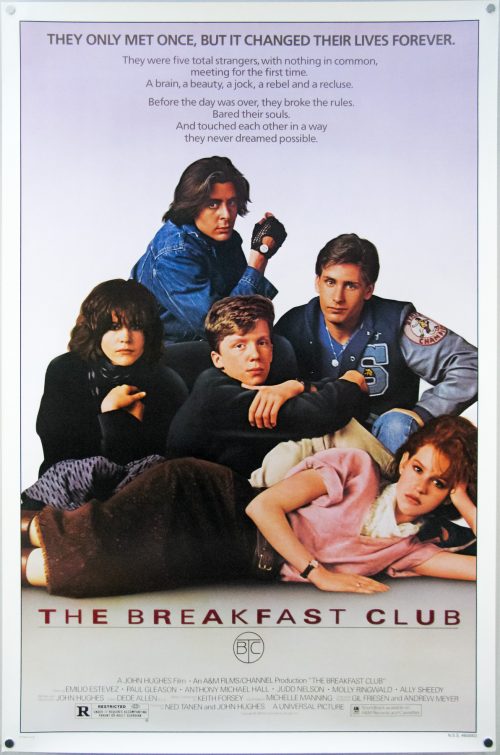
How to Write The Breakfast Club


breakfastclub.jpg

How to Write The Breakfast Club

by L.A. Zvirbulis

1 – The Inspiration. Assume that Hollywood won’t give a new director a huge budget, so come up with some story that uses only five main actors and one affordable location.   

2 – The Genre. Teenage Angst makes a lot of money because teenagers don’t know that adults  were once teenagers that can now write about that experience with a college education. It is best said by the brain named Brian – “You see us in the simplest of terms, and the most convenient definitions.” Seriously, make your main characters broad strokes of things you remembered from high school, just tell us that’s what you’re doing at the beginning.

3 – The Complications. What’s the worst that could happen? The characters are already in trouble, so getting more punishment is worse. Also not being friends after this is a huge threat. And also maybe not being able to define yourself as something more than just a brain, an athlete, a basket case, a princess, or a criminal. You can be everything, but only after making friends with the things you’re not.

4 – The Fun Stuff. Detention, am I right? Detention is so much fun. Well, misbehaving in Detention can be fun. Let’s stick it to the man. Let’s rebel. Let’s play by our own rules but still kind of play by the Principal’s and our parents’ rules because we aren’t considered adults yet and the budget doesn’t let us leave the interior of the High School. Let’s just run around this school. Add music and marijuana and some iconic poses.

5 – The Device. Bender is the device. His “Criminal” antics drive the plot, from unhinging the door to the Principal’s office to making Molly Ringwald feel uncomfortable to providing the marijuana. This would be a boring morning in detention if it weren’t for John Bender.

6 – The Principal. He’s the bad guy. “The Establishment”. The adult who hates his job but is stuck in adulthood with bills and alimony and an ill-fitting suit he bought at an outlet mall. Counterbalance him with a cool adult – the Janitor who has a shitty job but knows everything about the school and seems totally fine with going through teenage garbage.

7 – The Jokes. The Criminal isn’t the only funny person. We really do laugh when the Principal looks foolish. It’s the teenagers in all of us.

8 – The Title. The Breakfast Club sounds great. No one will notice or be bothered by the fact that the only meal that is consumed on screen is lunch. No one eats breakfast in this movie, but The Lunch Club doesn’t look good on a poster. 

9 – The Ending. These five strange teenagers learn that their differences aren’t so different. But will they be friends on Monday? Will Claire ask for her diamond earring back? Will Bender be stuck forever, frozen in time on a football field with a fist in the air?

10 – The Heart. Just read Brian’s essay. He’s the only character that writes one.

*L.A. Zvirbulis did not write The Breakfast Club. John Hughes did.

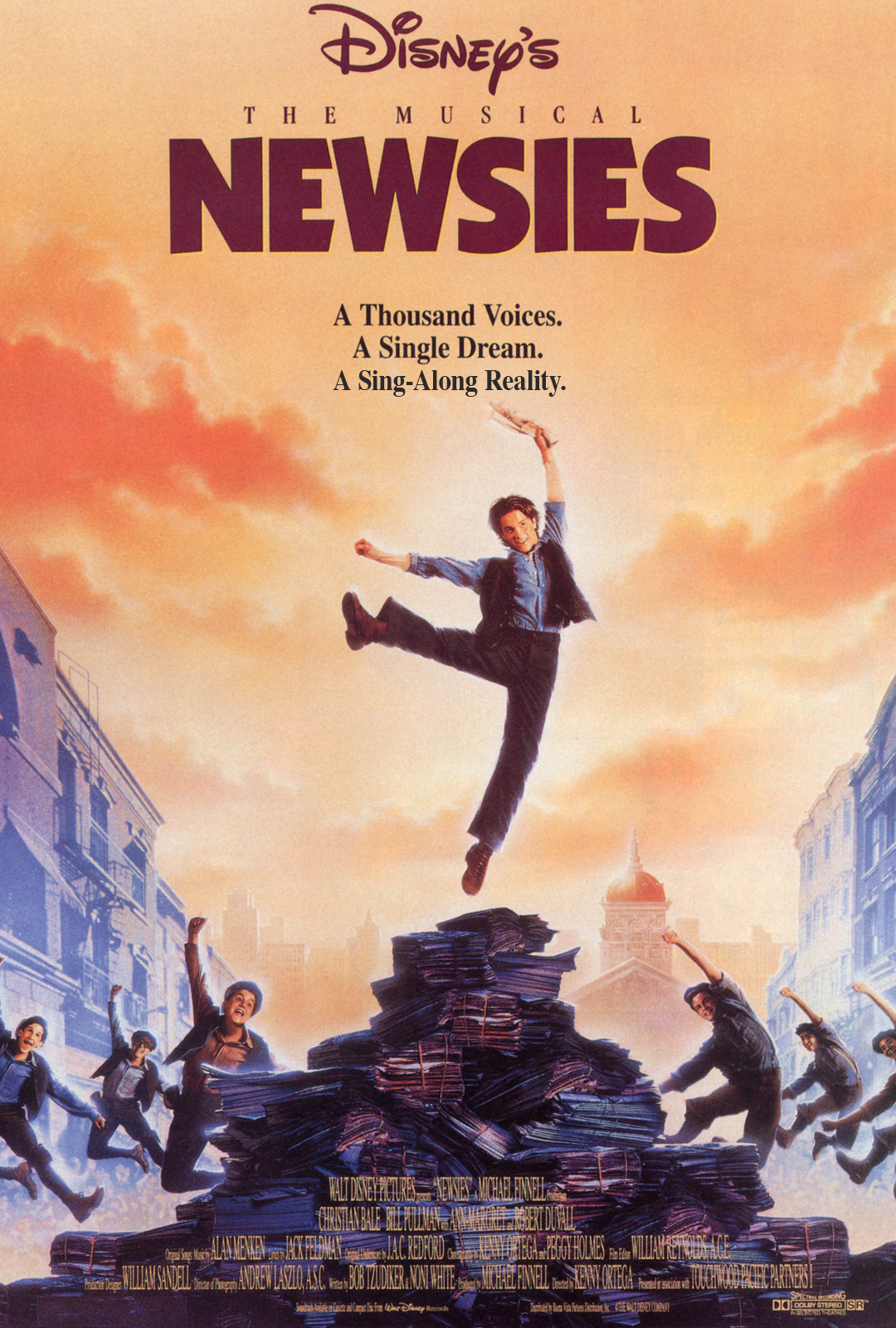
How to Write Newsies

newsies2

How to Write Newsies

by L.A. Zvirbulis

1 – The Inspiration. Read up on the real New York City Newsboy strike of 1899. Think, “hey, it’s the 1990s, and people love the 90s again.” or something like that.

2 – The Genre. Drama. That’s how you get Academy Award Winner Robert Duvall, Academy Award Nominee Ann-Margaret, and future Academy Award Winner Christian Bale on board. Once you get them, change it to a Musical Comedy. They can’t get out of the movie because contracts and unions and such. Get Alan Menken from The Little Mermaid to write the songs. Make this the first completely live action musical Disney ever films, and get the choreographer from Dirty Dancing to direct.

3 – The Complications. What’s the worst that could happen? That powerful media villain William Randolph Hearst raises the cost of papers to the newsboys, not to the consumers. He makes his workers pay more to work for him. Disgusting. Let’s also make the main character not have a family and want a family that he thinks he might find in the magical land of Santa Fe.

4 – The Fun Stuff. Unions on Strike! Everyone loves that. I think you change this into a musical after realizing that the drama is just not as fun as the dance sequences. If unions on strike had choreographed dance moves I think a lot more negotiations would happen.

5 – The Device. Music. Newsies would be incredibly boring if it weren’t for the musical sequences.  After you’ve seen this movie once, you probably just fast forward through the dramatic scenes and go straight to the dancing boys, no matter how much you claim to love the entire movie. Only the heroes sing, the villains just get plain speaking roles until this gets turned into a Broadway musical two decades later. Ann-Margaret is delightful as a vaudeville star and it re-introduces her to audiences that might not have known her glory otherwise. Sadly, Christian Bale will never sing again after this. But music wins.

6 – The Reporter. We need someone that represents the evil newspapers but is on the side of the striking newsboys. Denton. He can share the newsboys’ stories, then betray them to keep his job, then prove to them how good he is by helping them make their own paper. What a character arc. Good job, Bill Pullman. Maybe you should be President in another movie.

7 – The Jokes. Doogie Howser’s friend Max Casella plays Racetrack, so all of his jokes are about betting. Idina Menzel’s future husband Aaron Lohr plays the sweetie Mush, so he’s just nice the whole time. Gabriel Damon plays Spot Conlon, the teenage ruler of Brooklyn, so there are a lot of mentions to how awesome yet scary Brooklyn can be. And Christian Bale’s accent is captivating.

8 – The Title. The Newsboys Strike of 1899. No. Hearst Jerk. No. Media Unavailable. Ugh, let’s just go with Newsies.

9 – The Ending. The Newsies win by getting to keep working for “the man” for the same price they did at the beginning of the movie. That’s how they win, by being the same. Also some corrupt people go to jail and now Governor Teddy Roosevelt is looking into working conditions of children, so that’s good. And Christian Bale has a family now, even though he never reaches his dream of going to Santa Fe. I like to think that’s where he Honeymoons after Christian Bale marries his best friend’s sister. It’s romantic. 

10 – The Heart. Newsies does not do well in its theatrical release. It becomes a cult classic mostly from people like me who record it on VHS from Disney Channel and watch it repeatedly. The songs and choreography are iconic, the actors in it are perfectly cast, and Kenny Ortega proves himself as a director that does way more than High School Musicals.

*L.A. Zvirbulis did not write Newsies. Bob Tzudiker and Noni White did, based off of the real Newsboys strike of 1899. Music by Alan Menken and J.A.C. Redford.

**This is a VHS movie made by the actors while they were filming. It is a spoof comedy about an old actor killing the stars of Newsies called “Blood Drips Heavily on Newsies Square”. It isn’t PG, but it is delightful and proves how much fun these kids had on set.

https://www.youtube.com/watch?v=v0SmAn5wdbM

How to Write A League of Their Own

league2

How to Write A League of Their Own

by L.A. Zvirbulis

1 – The Inspiration. Have your friend ask you and your buddy to write a script after she watches a documentary about the real women who played in the All-American Girls Professional Baseball League.** Also your friend is Penny Marshall, the first woman to direct a movie that generates over $100 million domestic box office (Big), a former tv comedy star (Laverne & Shirley), who has a brother that’s also a comedy star turned huge director (Garry Marshall). All signs this will be a good film, so you both say yes.

2 – The Genre. Nostalgic dramatic comedy that can be considered the best baseball movie ever. And while you might not agree about the best baseball movie, I think we can all agree that watching a sports movie is a better way to spend two hours than watching actual sports. If you’re playing a sport, that’s different. Nothing against sports, it’s just that movies are usually funnier and more dramatic, especially after men stopped wearing those tight short shorts in sports. 

3 – The Complications. What’s the worst that could happen? Women learn to love getting paid to play professional baseball and then get threatened to return to the kitchen once the war is over. Wait, the war ending is the worst thing that could happen? Oh also sexism is bad. Let’s add some sibling rivalry because the war ending can’t be the worst. Also please mention that African American women weren’t allowed to play at the time, but show that it’s a shame.

4 – The Fun Stuff. Sisters in sports. Of course you expect there to be rivalry, but you have to play against your own blood in the World Series? That’s tough. Your sister is Geena Davis? Ouch. You play for the opposite team now because you got transferred? This is what sports is all about. It’s not about what team you play for, it’s about winning the game. Or maybe letting your sister win the game. Is it really about winning? Who wins here? Just the audience?

5 – The Device. It is baseball. Specifically, it is the baseball that Dottie drops. The question is, does she do it on purpose? Would you drop the ball to let your little sister win because you love your sister more than you like playing baseball and you can just go home to have baby-making sex with your war hero husband? I would. But the answer is open to interpretation.

6 – The Coach. Let’s make Jimmy Dugan a tribute to Rick from Casablanca – a bitter alcoholic in the 1940s whose glory days are behind him and who loves a talented woman married to another man. We will delete their love scene in the final edit of the film, though.

7 – The Jokes. There is no crying in baseball but that doesn’t mean we can’t laugh during A League of Their Own. Remember that the director is a comedy star with a comedy brother and a bunch of comedy friends she can put in the movie. We can also get away with the line “Avoid the Clap” because kids don’t know about nicknames for STDs. I guess that means that Jimmy Dugan had gonorrhea at one point in his life. Ew.

8 – The Title. Take the title from that documentary Penny made you watch. It’s a good title.

9 – The Ending. Spoiler – Dottie drops the ball, letting her little sister Kit have all the glory during the first ever World Series of the All-American Girls Professional Baseball League. Dottie leaves the game forever, but she goes back for the opening of AAGPL induction to the Baseball Hall of Fame and plays ball to a song that Madonna wrote just for the movie’s ending credits. Oh yeah, Madonna is in this movie. And after Megan Cavanuagh wins over the role as Marla Hooch, we need to find another role for Rosie O’Donnell because she’s funny and really good at baseball. Let’s turn one character into two characters, giving Madonna a best friend.

10 – The Heart. “When are you going to realize how special it was? How much it all meant?” It’s not about winning or losing, it is about being part of something bigger than yourself. The film A League of Their Own is released 50 years after the premiere of the real league. It’s beautiful. Go watch it. Or go write your own baseball movie. Actually, go outside and play catch with a family member.

*L.A. Zvirbulis did not write A League of Their Own. Lowell Ganz and Babaloo Mandel did per the request of the director Penny Marshall, based on a story by Kim Wilson and Kelly Candaele.

**You can watch original documentary for free on Amazon Prime. It is called A League of Their Own – The Documentary. From 1990. Check it out.